OSTEOPOROSIS AND REHABILITATION AFTER A FRACTURE
Osteoporosis is one of the most serious diseases of the musculoskeletal system. It is referred to as the epidemic of the third millennium.
The rising incidence of osteoporosis is attributed to an ageing population and changes in lifestyle – reduced physical activity, increasing reliance on technology, changes in dietary habits, smoking and the like.
This condition affects millions of people around the world, particularly older individuals and women after the menopause. It is estimated that approximately one in three women and one in six men over the age of 50 are at risk of an osteoporotic fracture. That equates to roughly 6–8% of the population.
Osteoporosis has serious consequences for bone health and overall quality of life.
What is osteoporosis?
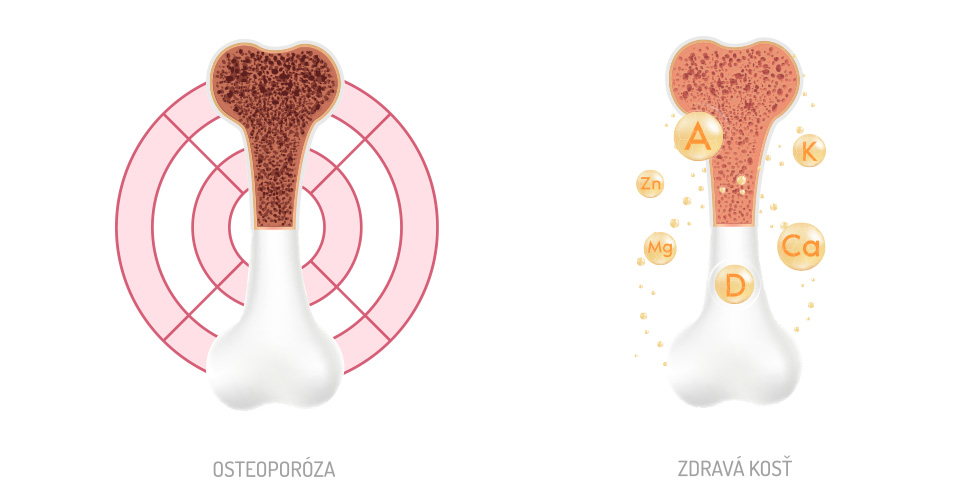
Osteoporosis is a condition in which bones lose their density and strength, leading to an increased risk of fractures and broken bones. The bones become brittle and weaker, particularly in areas such as the spine, the hip and the wrist.
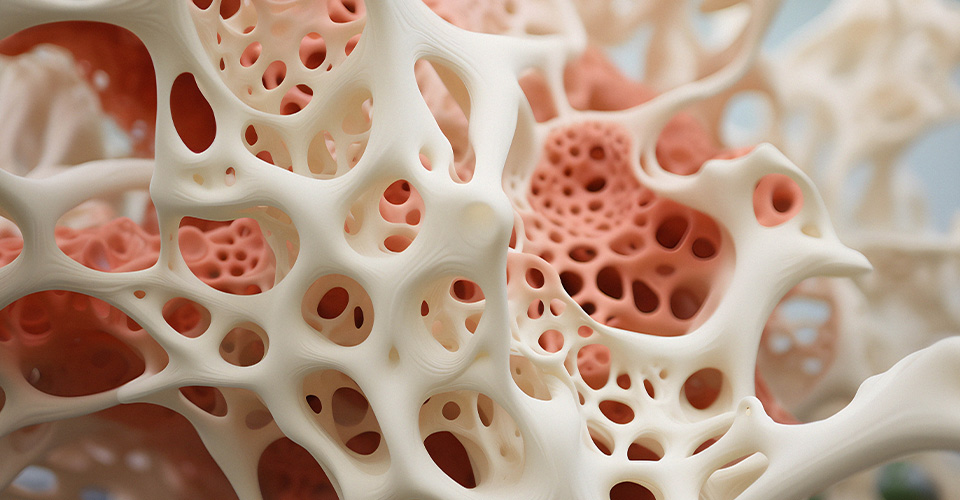
It is a metabolic disorder of bone tissue, manifested by a reduction in bone mass and disturbances in the microarchitecture of the bone. This weakens the strength of the bone and leads to increased fragility.
Osteoporosis and osteoarthritis
People often confuse osteoporosis with osteomalacia and osteoarthritis.
Osteomalacia is a very rare condition similar to osteoporosis in which the bones do not break but become deformed. It develops as a result of a vitamin D deficiency, which reduces the calcium content in bone tissue.
Osteoarthritis is a degenerative disease of the joints, most commonly affecting the hips (coxarthrosis), the knees (gonarthrosis) and the spine (spondylarthrosis), and is characterised by damage to the joint cartilage.
Causes of osteoporosis
Bone is not a solid mass but living tissue. Throughout life, this bone tissue is continuously renewed. During the growth and adolescent phase, new bone is formed. After the age of 35, the bone mass in the human body gradually decreases, as bone resorption begins to outpace the formation of new bone.
When the amount of bone mass falls below the normal threshold, we refer to this condition as osteoporosis.
The main cause of osteoporosis is age, and in women an additional factor is the menopause.
The menopause brings about the cessation of female sex hormone production, particularly oestrogen, which leads to an increased breakdown of bone. After the menopause, almost one third of women develop what is known as postmenopausal osteoporosis.
Other factors that contribute to the development of osteoporosis include heredity, a deficiency of calcium and vitamin D, a lack of physical activity and a poor lifestyle.
Symptoms of osteoporosis
Osteoporosis is also known as the “silent disease” – the silent thief of bones. It often progresses without any symptoms or pain and is only diagnosed when a bone is fractured. The most common sites of fracture are the bones of the wrist and forearm, the vertebrae and the upper end of the humerus and the femur. The most distressing fracture tends to be a fracture of the neck of the femur.

Less common fractures are those of the ribs and the upper end of the humerus. Fractures sustained in traffic accidents or falls are not considered osteoporotic fractures. By contrast, fractures associated with osteoporosis occur after minor trauma or even without any trauma at all. For example, stumbling, sudden bending forward, lifting heavy objects, coughing and so on.
Further warning signs of osteoporosis may include a reduction in height and back pain caused by vertebral fractures.
Prevention of osteoporosis
When it comes to osteoporosis, you could say “what you do and eat in your youth will catch up with you in old age”. A whole generation of future osteoporosis sufferers is already growing up today. Younger generations spend most of their lives sitting at school desks, then at home in front of a computer, tablet or television. Instead of a healthy diet rich in essential vitamins, they prefer hamburgers and fizzy drinks.
It is important to protect our bones from a young age, when the most bone mass is being formed. There are several ways to do this:
- An adequate intake of calcium and vitamin D – a diet rich in these nutrients supports bone health
- Physical activity – regular exercise, particularly strength training, strengthens the bones
- Avoiding smoking and limiting alcohol – these bad habits weaken our bones
- Osteoporosis testing – if you have an increased risk based on heredity, you should consider testing for osteoporosis and consult a specialist about early treatment
Treatment of osteoporosis
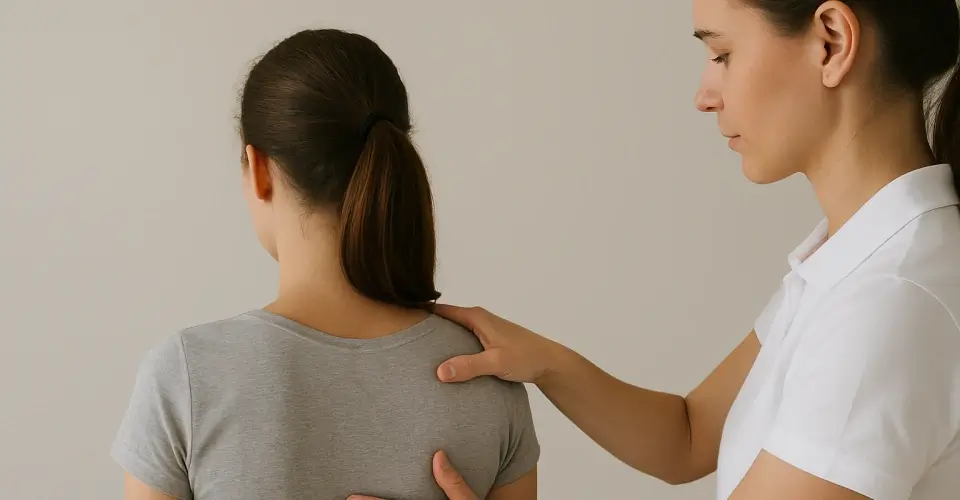
Physiotherapy is an important part of the treatment of osteoporosis. It helps patients to strengthen their muscles, improve balance and coordination, and ease pain. Physiotherapy supports clients in maintaining their quality of life and minimising the risk of fractures associated with osteoporosis.
The importance of physiotherapy in osteoporosis:
- Muscle strengthening – strong muscles protect the bones and reduce the risk of fractures. Exercises targeting various muscle groups, including those supporting the spine and the hips, can form part of physiotherapy.
- Improving balance and coordination – as part of physiotherapy we can work on enhancing these aspects, which helps to maintain safety while walking and moving
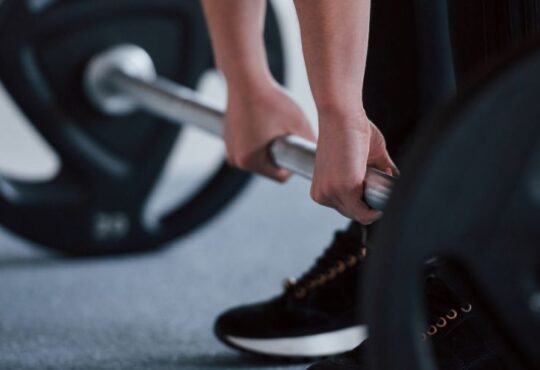
- Practising the correct technique for lifting heavy objects – learning how to lift heavy items safely, in order to minimise the risk of injury and fractures
- Developing flexibility – regular exercise with a physiotherapist helps to maintain and improve the flexibility of the joints and muscles, thereby minimising the risk of injury during movement.
- Education about correct exercise and nutrition – physiotherapists will provide clients with information on the most suitable exercises for osteoporosis and on how they should eat in order to ensure an adequate intake of calcium and vitamin D, which are essential for healthy bones.
- Pain and symptoms – physiotherapists can help clients to manage pain and other symptoms associated with osteoporosis using a range of techniques, including heat, cold compresses and massage.
Every client with osteoporosis has their own individual needs and limitations. Based on a comprehensive examination, a physiotherapist at FYZIO KLINIK® will design a treatment plan tailored to the individual needs and abilities of the client.
Osteoporosis and rehabilitation after a fracture
The fundamental goal in the treatment of osteoporosis is to prevent a fracture from occurring. If treatment is only initiated after a fracture has already occurred, the situation becomes more complex and the aim is then to delay the onset of further fractures.
Rehabilitation following a fracture caused by osteoporosis plays a key role. It helps to restore movement, muscle strength and coordination, while also providing valuable information for the prevention of future fractures.
Osteoporosis at the fracture stage is very difficult to treat, which is why the best form of treatment is prevention.
Are you affected by osteoporosis? Book a comprehensive examination with a physiotherapist at FYZIO KLINIK® to achieve the best possible results in your treatment – CONTACT.